
How to Get Rid of Foot Calluses at Home—and When to See a Podiatrist
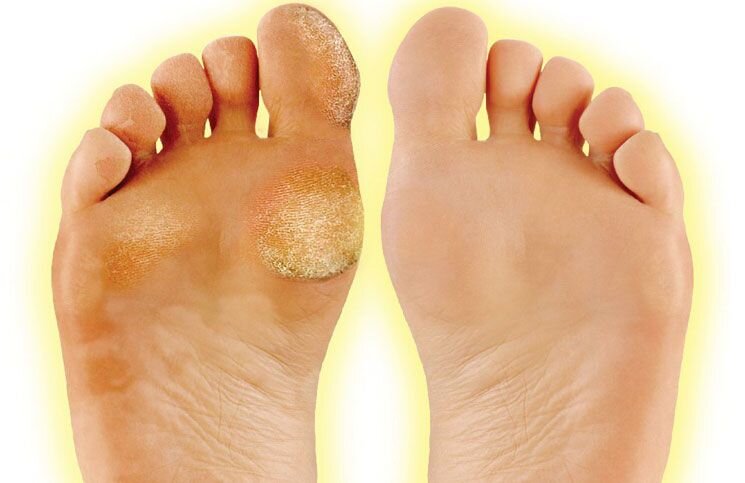
Calluses can be very uncomfortable and tend to form as a result of excessive pressure or rubbing on any area of the skin, especially on the feet. Since calluses are rarely serious, we’ve provided a number of simple home remedies can help reduce their appearance:
Protective cushions: can be used to reduce friction or pressure that is responsible for the buildup of a callus. Callus pads are cushioned bandages that can either protect or prevent calluses. These types of bandages are designed for feet and come in multiples shapes and sizes.
Skin-softening creams: try applying a healthy amount of moisturizing cream or petroleum jelly (eg. vaseline) to callused areas and leave on your feet overnight. This can either prevent the skin from drying out or soften the calluses.
Exfoliating creams: can be used to remove dead skin cells as these types of products typically contain ingredients such as salicylic acid, urea, or ammonium lactate. A person who suffers from calluses may need to apply these daily in order to encourage the exfoliation of built-up skin cells. To ensure your safety, we recommend checking the product ingredients prior to usage to prevent skin irritation or damage.
Foot file: is a tool that has a metal great and a rubber or plastic handle. It is best to soften the callused skin in warm water before using the file to exfoliate. People typically use foot files either in a bath and/or shower.
Pumice stones: are light, porous stones that many people use to exfoliate skin and calluses. Similar to a foot file, a pumice stone works well after the skin is softened. Once the skin is softened, we recommend using gentle, circular or side to side motions in order to remove the dead skin.
Why Does My Callus Keep Returning?
A callus often returns because the underlying source of pressure has not been corrected. While filing the thickened skin or applying moisturizer may provide temporary relief, these treatments do not change the way pressure is being placed on your foot.
Common causes of recurring calluses include bunions, hammertoes, prominent metatarsal bones, poorly fitting shoes, and abnormal walking mechanics. These conditions repeatedly concentrate friction and pressure on the same area, causing the skin to thicken again as a form of protection.
At River Podiatry, we evaluate more than the callus itself. We look for the structural or mechanical problem causing it and develop a treatment plan based on your needs. Treatment may include professional callus care, footwear recommendations, pressure-relieving padding, custom orthotics, or correction of an underlying deformity when appropriate.
Do not attempt to cut a callus yourself—especially if you have diabetes, poor circulation, neuropathy, or a history of foot wounds.
If a painful callus keeps returning, schedule an evaluation at River Podiatry in Pearl River, NY and Midland Park, NJ. We can identify the source of the pressure and help you find longer-lasting relief.
